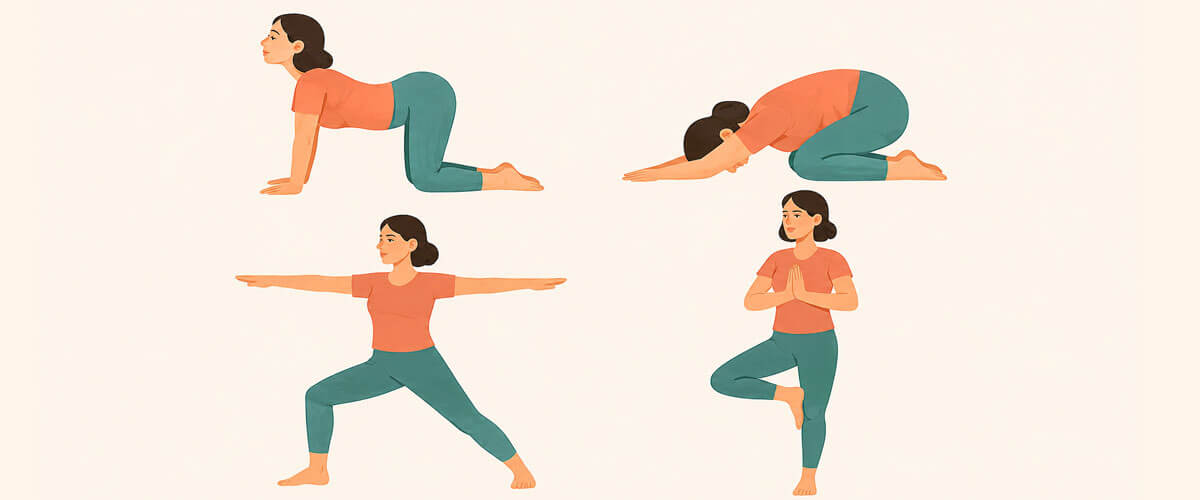
Women's health physiotherapy addresses the unique physical needs of women across different life stages, from pregnancy and postpartum recovery to menopause and beyond. Through specialized assessment and tailored exercise programs, this care helps manage pain, restore core and pelvic function, and support long-term strength and wellbeing.
Common Conditions Addressed
- Pelvic floor dysfunction and weakness.
- Urinary incontinence and pelvic organ prolapse.
- Pregnancy-related back and pelvic pain.
- Postpartum core and pelvic floor recovery.
- Diastasis recti (abdominal muscle separation).
- Menopause-related joint pain and bone health concerns.
- Osteoporosis and reduced bone density.
- General deconditioning and postural issues.
Common Symptoms
- Pelvic or lower back pain.
- Involuntary leakage of urine, especially with coughing, sneezing, or exercise.
- A feeling of heaviness or pressure in the pelvic region.
- Weak core strength and abdominal separation.
- Joint stiffness or pain associated with hormonal changes.
- Reduced fitness, stamina, or confidence in movement.
Goals of Women's Health Physiotherapy
- Strengthen the pelvic floor and core musculature.
- Relieve pain related to pregnancy, postpartum recovery, or hormonal changes.
- Improve bladder control and reduce symptoms of incontinence.
- Support safe recovery of abdominal strength postpartum.
- Maintain bone health and reduce osteoporosis-related risk.
- Promote overall fitness, posture, and confidence at every life stage.
Physiotherapy Techniques Used
- Pelvic floor rehabilitation – targeted exercises to strengthen and retrain pelvic floor muscles.
- Core stabilization exercises – to rebuild abdominal strength and support the spine and pelvis.
- Postural correction – addressing posture-related strain across different life stages.
- Bone-strengthening exercises – weight-bearing and resistance exercises to support bone density.
- Manual therapy – to relieve muscular tension and improve mobility.
- Breathing and relaxation techniques – supporting core and pelvic floor coordination.
- Functional and lifestyle-based training – tailored to daily demands, whether related to childcare, work, or general activity.
Care Across Every Life Stage
Women's health needs evolve significantly through different phases of life — pregnancy, postpartum recovery, and menopause each bring distinct physical changes and challenges. Physiotherapy programs are personalized to each stage, ensuring that treatment addresses the specific concerns and goals relevant to that period of a woman's life.
Through specialized assessment and individualized care, women's health physiotherapy supports women in managing pain, restoring strength, and maintaining long-term physical wellbeing at every stage of life.