Max Mobility Clinic, Shop No 6, Gr. Floor, Neelkanth Classic, Sector 35F, Kharghar, Navi Mumbai, Maharashtra 410210.
Max Mobility Clinic, Shop No 6, Gr. Floor, Neelkanth Classic, Sector 35F, Kharghar, Navi Mumbai, Maharashtra 410210.

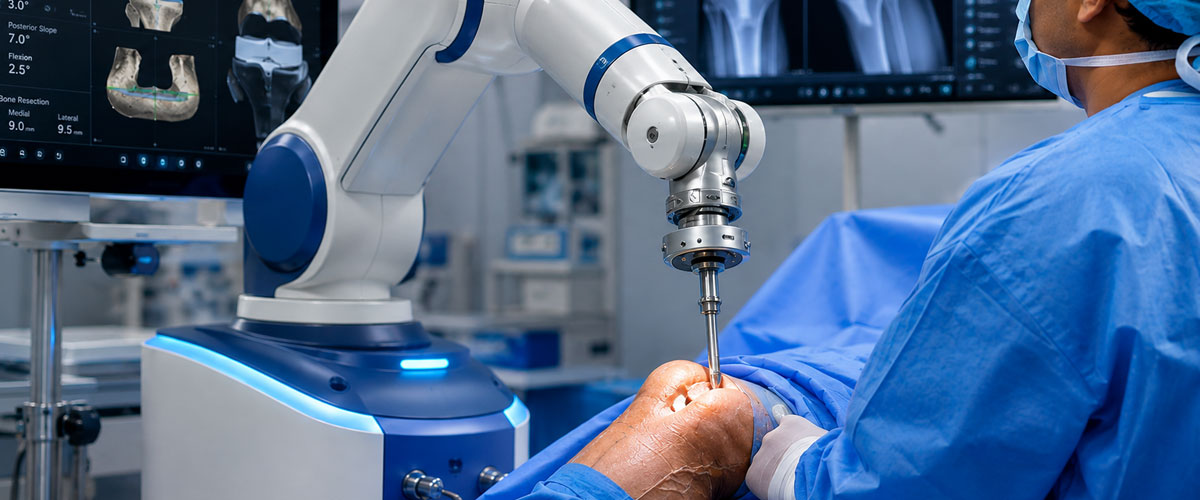
Robotic joint replacement combines advanced technology with surgical expertise to deliver highly accurate, personalized joint replacement surgery. By using robotic-assisted systems for pre-surgical planning and precise bone positioning, this approach helps improve implant alignment, protect surrounding tissue, and support faster, more predictable recovery.
Robotic joint replacement is an advanced surgical technique in which a robotic-arm system assists the surgeon during hip or knee replacement surgery. Using a detailed 3D model of the patient's joint, the surgeon creates a personalized surgical plan before the procedure begins. During surgery, the robotic system guides bone preparation and implant placement with a high degree of precision, while the surgeon remains in complete control throughout the procedure.
Patients with advanced joint arthritis, significant joint deformity, or those requiring highly precise implant alignment may particularly benefit from robotic-assisted surgery. The surgeon evaluates each patient's joint condition, bone quality, and overall health to determine whether a robotic or conventional approach is best suited to their needs.
Recovery following robotic joint replacement typically follows a structured rehabilitation path involving early mobilization, physiotherapy, and progressive strengthening exercises. Many patients experience less post-operative discomfort and a smoother recovery due to the precision and tissue-sparing nature of the procedure, supporting a quicker return to walking, daily routines, and low-impact activities.
By merging surgical precision with personalized planning, robotic joint replacement offers patients an advanced option for restoring joint function, reducing pain, and improving long-term outcomes.