Max Mobility Clinic, Shop No 6, Gr. Floor, Neelkanth Classic, Sector 35F, Kharghar, Navi Mumbai, Maharashtra 410210.
Max Mobility Clinic, Shop No 6, Gr. Floor, Neelkanth Classic, Sector 35F, Kharghar, Navi Mumbai, Maharashtra 410210.

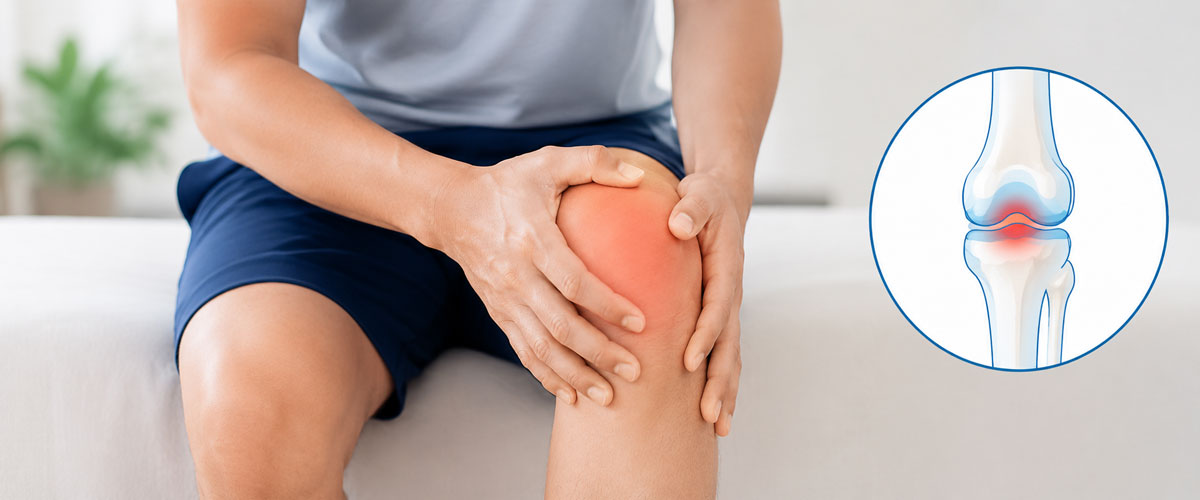
Joint preservation focuses on protecting and maintaining a patient's own natural joint for as long as possible, delaying or avoiding the need for joint replacement. Through a combination of early diagnosis, targeted non-surgical care, and advanced surgical techniques, joint preservation aims to relieve pain, restore function, and slow the progression of joint damage.
Joint preservation encompasses a range of treatments designed to protect the cartilage, bone, and soft tissues of a joint before the damage becomes severe enough to require a total joint replacement. It is especially valuable for younger, active patients or those in the early to moderate stages of joint disease, where preserving the natural joint offers better long-term function and activity levels.
Not all joint preservation requires surgery. Weight management, activity modification, physiotherapy, bracing, and targeted injections can all help reduce stress on a joint and slow the progression of damage. A comprehensive treatment plan often combines these measures with surgical options tailored to the specific joint and stage of disease.
Recovery after joint preservation surgery depends on the specific procedure performed, but generally involves a structured rehabilitation program to restore strength, stability, and range of motion. With timely intervention and appropriate follow-up care, many patients experience significant pain relief and are able to continue an active lifestyle while protecting their natural joint for years to come.
By combining early diagnosis with a personalized mix of non-surgical care and advanced surgical techniques, joint preservation offers patients a proactive path to lasting joint health, helping them stay active while protecting their natural joints for the future.