Max Mobility Clinic, Shop No 6, Gr. Floor, Neelkanth Classic, Sector 35F, Kharghar, Navi Mumbai, Maharashtra 410210.
Max Mobility Clinic, Shop No 6, Gr. Floor, Neelkanth Classic, Sector 35F, Kharghar, Navi Mumbai, Maharashtra 410210.
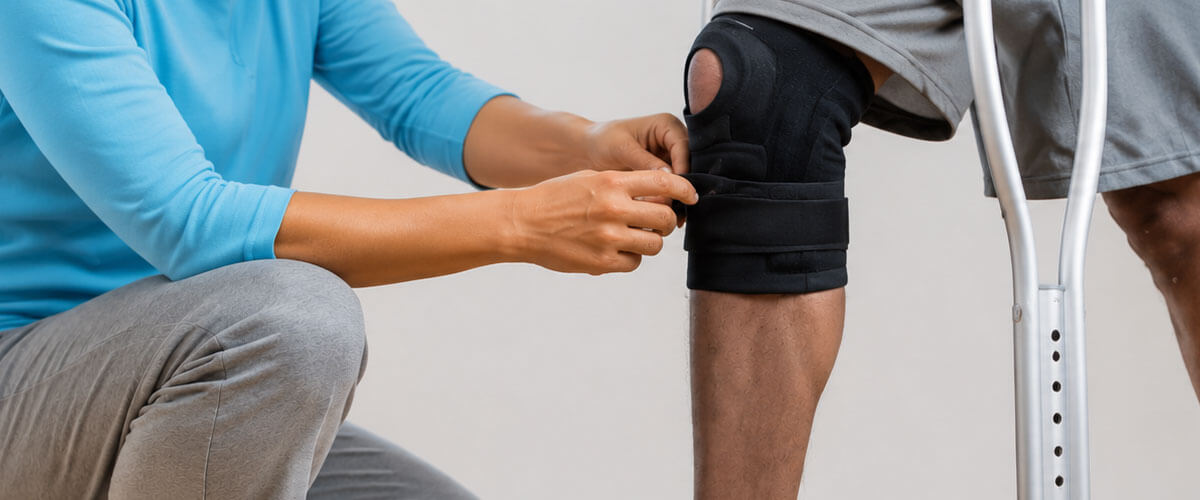
Joint replacement rehabilitation is a critical part of recovery after knee, hip, or shoulder replacement surgery. A structured physiotherapy program helps patients regain strength, mobility, and confidence in the new joint, ensuring the best possible surgical outcome and a safe return to daily activities.
While joint replacement surgery addresses damaged joint surfaces, the surrounding muscles, tendons, and soft tissues need dedicated rehabilitation to regain strength and coordination. Without proper physiotherapy, patients risk stiffness, muscle weakness, and reduced functional outcomes, even after a technically successful surgery.
Recovery timelines vary depending on the joint replaced, the surgical technique used, and individual patient factors. Most patients begin walking with assistance within a day or two of surgery, with rehabilitation continuing for several weeks to months to achieve optimal strength and function. Physiotherapists work closely with the operating surgeon to tailor the program to each patient's healing progress.
Through a structured, progressive rehabilitation program, physiotherapy helps joint replacement patients recover safely, regain confidence in movement, and return to an active, independent lifestyle.