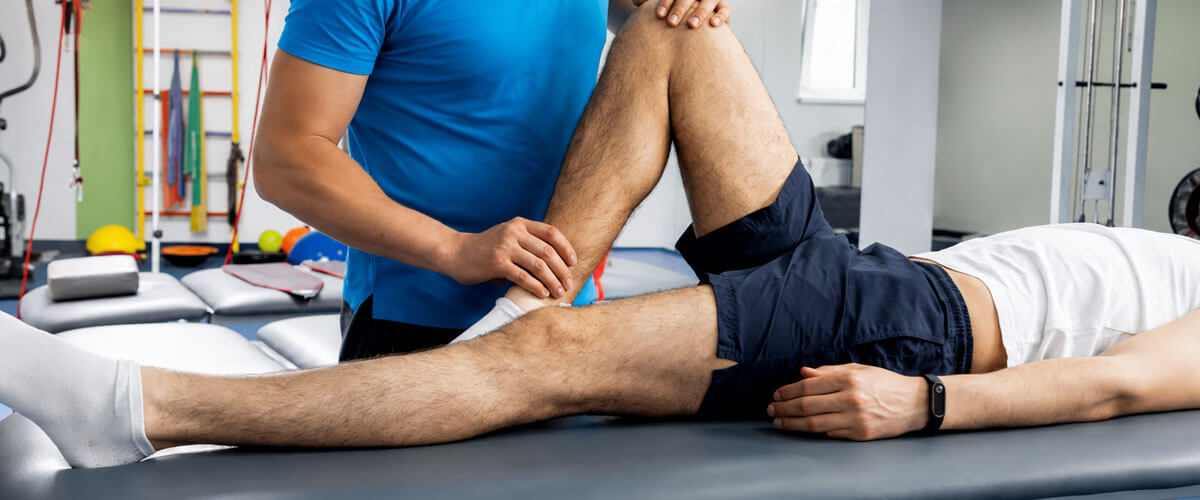
Sports injuries can affect athletes and physically active individuals of all levels, ranging from minor strains to more serious ligament and joint injuries. Physiotherapy plays a critical role in sports injury recovery, helping to reduce pain, restore strength and mobility, and safely guide patients back to their sport or activity while minimizing the risk of re-injury.
Common Sports Injuries
- Ligament sprains, including ACL and ankle ligament injuries.
- Muscle strains and tears.
- Tendon injuries, such as tendinitis and tendinosis.
- Meniscus and cartilage injuries.
- Shoulder dislocations and rotator cuff injuries.
- Stress fractures and overuse injuries.
- Shin splints and repetitive strain conditions.
Common Symptoms
- Pain and swelling around the injured area.
- Reduced range of motion or joint instability.
- Muscle weakness or difficulty bearing weight.
- Bruising or tenderness at the site of injury.
- Difficulty returning to pre-injury levels of activity.
Goals of Physiotherapy in Sports Injury Recovery
- Reduce pain, swelling, and inflammation.
- Restore joint range of motion and flexibility.
- Rebuild muscle strength and endurance.
- Improve balance, coordination, and proprioception.
- Correct movement patterns to prevent re-injury.
- Support a safe, structured return to sport.
Physiotherapy Techniques Used
- Manual therapy – hands-on techniques to reduce pain and improve joint and soft tissue mobility.
- Therapeutic exercises – progressive strengthening and flexibility programs tailored to the sport and injury.
- Neuromuscular and balance training – to restore coordination and joint stability.
- Electrotherapy – such as ultrasound and TENS for pain and inflammation management.
- Taping and bracing – to support injured structures during early recovery and return to activity.
- Sport-specific training – functional drills that replicate movements required for a safe return to play.
Phases of Sports Injury Rehabilitation
- Acute phase – focused on pain and swelling management, protecting the injured area.
- Recovery phase – restoring range of motion, strength, and flexibility.
- Functional phase – sport-specific exercises to rebuild performance-level strength and coordination.
- Return-to-sport phase – gradual reintroduction to training and competition with ongoing monitoring.
Preventing Future Injuries
An important part of sports injury physiotherapy is injury prevention. Physiotherapists assess movement patterns, muscle imbalances, and biomechanics to identify risk factors, helping athletes build strength and stability that reduce the likelihood of future injuries.
With a structured, sport-focused rehabilitation approach, physiotherapy helps athletes recover safely, regain confidence in their movement, and return to peak performance.