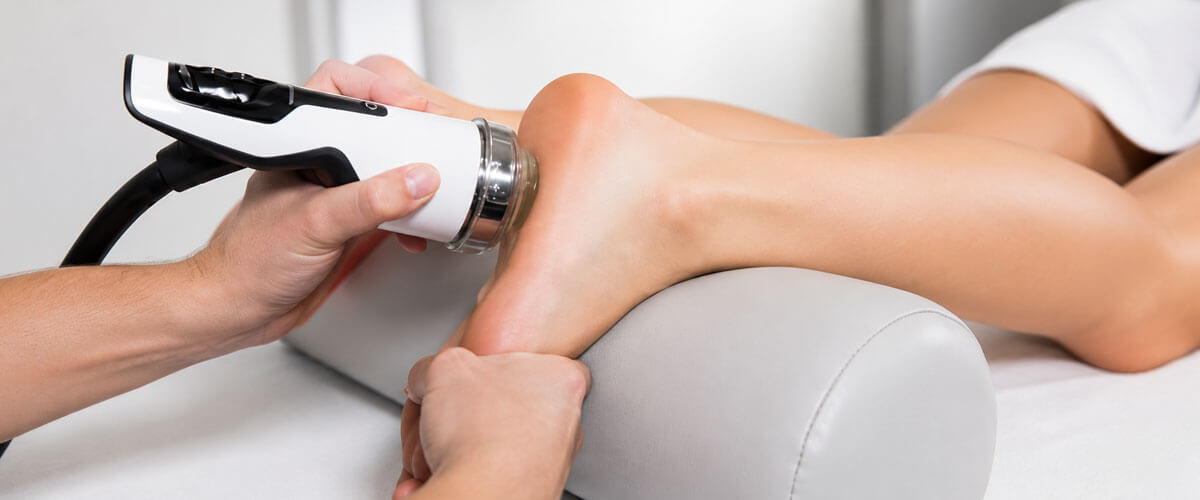
Heel pain is a common condition that can affect walking, standing, and daily mobility, often caused by inflammation or strain of the tissues supporting the foot. Physiotherapy plays an important role in relieving heel pain by addressing the underlying cause, reducing inflammation, and correcting movement patterns that contribute to ongoing discomfort.
Common Causes of Heel Pain
- Plantar fasciitis (inflammation of the plantar fascia).
- Achilles tendinitis.
- Heel spurs.
- Bursitis of the heel.
- Fat pad atrophy or heel cushion thinning.
- Overuse from prolonged standing, walking, or running.
- Poor footwear or abnormal foot mechanics.
Common Symptoms
- Sharp or stabbing pain in the heel, especially with the first steps in the morning.
- Pain that worsens after prolonged standing or activity.
- Tenderness or swelling around the heel.
- Stiffness in the foot and ankle.
- Discomfort that improves with rest but returns with activity.
Goals of Physiotherapy for Heel Pain
- Reduce pain and inflammation in the heel and surrounding tissue.
- Improve flexibility of the plantar fascia and calf muscles.
- Strengthen foot and ankle muscles for better support.
- Correct abnormal foot mechanics and walking patterns.
- Prevent recurrence through footwear and activity guidance.
Physiotherapy Techniques Used
- Stretching exercises – targeting the plantar fascia, calf muscles, and Achilles tendon.
- Manual therapy – hands-on techniques to reduce tissue tightness and improve mobility.
- Strengthening exercises – for foot and ankle muscles to improve support and stability.
- Electrotherapy – such as ultrasound and TENS for pain and inflammation relief.
- Taping techniques – to support the arch and reduce strain on the plantar fascia.
- Gait analysis and correction – to identify and address movement patterns contributing to heel pain.
- Footwear and orthotic guidance – recommendations to reduce heel stress during daily activities.
A Comprehensive Approach to Recovery
Heel pain often develops gradually and can become persistent if the underlying cause isn't addressed. Physiotherapists assess foot structure, walking pattern, footwear, and activity levels to identify contributing factors, allowing for a treatment plan that not only relieves current pain but also reduces the risk of recurrence.
Through targeted stretching, strengthening, and movement correction, physiotherapy offers effective, long-term relief from heel pain, helping patients return to comfortable, pain-free movement.