Muscle spasms and pain are common conditions that can result from injury, overuse, poor posture, or underlying muscular imbalances. They can range from mild discomfort to severe, sudden episodes that restrict movement and interfere with daily activities. Physiotherapy helps relieve muscle tightness, ease pain, and address the root cause to prevent recurrence.
What are Muscle Spasms?
A muscle spasm is an involuntary contraction of a muscle that occurs suddenly and can cause sharp pain and stiffness. Spasms may last a few seconds or persist for several minutes, and can affect any muscle group, though they are most common in the back, neck, calves, and shoulders.
Common Causes of Muscle Spasm & Pain
- Muscle overuse or fatigue.
- Poor posture or prolonged sitting.
- Dehydration and electrolyte imbalance.
- Muscle strain or injury.
- Stress and muscular tension.
- Nerve irritation or compression.
- Sedentary lifestyle and weak core or postural muscles.
Common Symptoms
- Sudden, sharp muscle tightness or cramping.
- Localized pain and tenderness.
- Muscle stiffness and reduced flexibility.
- Visible or palpable muscle knots.
- Restricted movement in the affected area.
- Recurrent episodes triggered by specific activities or postures.
Goals of Physiotherapy for Muscle Spasm & Pain
- Relieve acute muscle tightness and pain.
- Improve flexibility and muscle elasticity.
- Correct posture and movement patterns contributing to spasms.
- Strengthen weak or imbalanced muscle groups.
- Reduce the frequency and severity of recurring episodes.
- Support long-term muscular health and function.
Physiotherapy Techniques Used
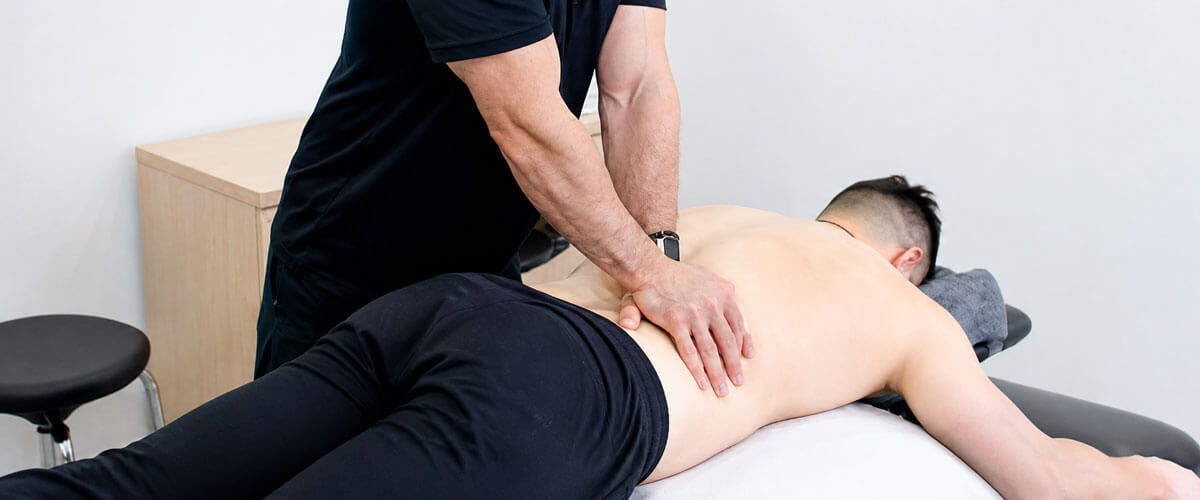
- Manual therapy – hands-on techniques including massage and trigger point release to relax tight muscles.
- Stretching exercises – to improve flexibility and reduce muscle tension.
- Heat therapy – to relax muscles and improve blood flow to the affected area.
- Electrotherapy – such as TENS and ultrasound for pain relief and muscle relaxation.
- Strengthening exercises – to correct muscle imbalances and prevent recurrence.
- Postural and ergonomic correction – to reduce strain during daily activities and work routines.
Areas Commonly Affected
- Neck and upper back muscles.
- Lower back muscles.
- Calf and hamstring muscles.
- Shoulder and upper trapezius muscles.
Preventing Recurrence
Beyond relieving immediate symptoms, physiotherapy focuses on identifying the underlying cause of recurring muscle spasms — whether it's poor posture, muscular weakness, or lifestyle factors — and addresses it through a personalized exercise and correction program to reduce the likelihood of future episodes.
Through a combination of manual therapy, targeted exercises, and lifestyle guidance, physiotherapy offers effective and lasting relief from muscle spasm and pain, helping patients move freely and comfortably.