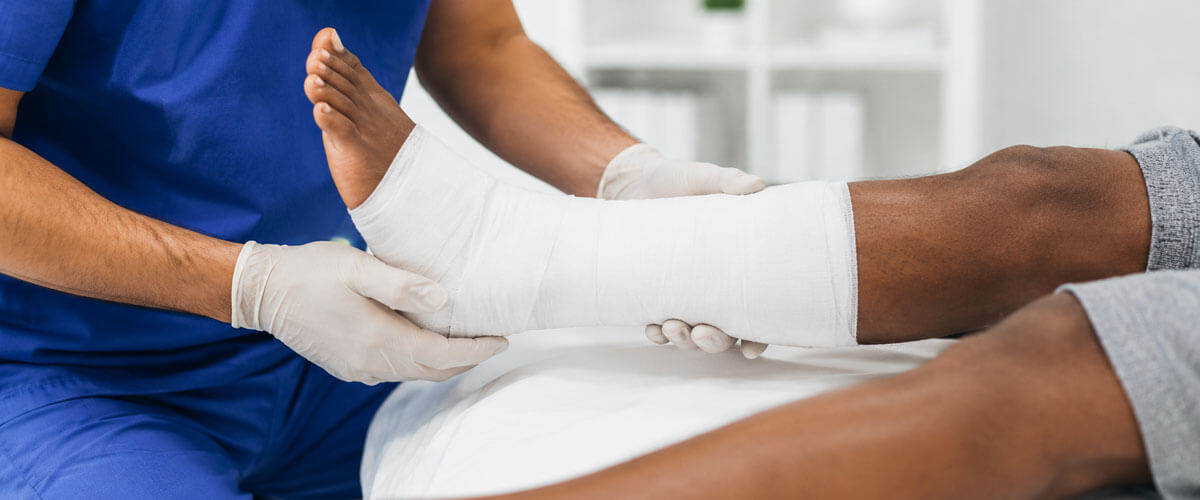
Stiffness following a fracture or surgery is a common part of the healing process, often caused by prolonged immobilization, swelling, and scar tissue formation. Physiotherapy plays a crucial role in restoring joint mobility, muscle strength, and function after fractures or surgical procedures, helping patients regain independence and return to normal activities.
Why Stiffness Occurs After Fracture or Surgery
- Prolonged immobilization in a cast, splint, or brace.
- Swelling and inflammation around the healing area.
- Formation of scar tissue and adhesions.
- Muscle weakness and deconditioning from reduced use.
- Protective guarding due to pain or fear of movement.
Common Areas Affected
- Knee stiffness after fracture or ligament surgery.
- Shoulder stiffness following fracture or rotator cuff repair.
- Elbow and wrist stiffness after fracture fixation.
- Ankle and foot stiffness after fracture or ligament surgery.
- Hip stiffness following fracture or joint replacement surgery.
Common Symptoms
- Reduced range of motion in the affected joint.
- Difficulty bending, straightening, or rotating the joint fully.
- Muscle weakness and loss of endurance.
- Pain or discomfort during movement.
- Difficulty performing daily tasks such as walking, gripping, or reaching.
Goals of Physiotherapy for Post-Fracture / Surgical Stiffness
- Gradually restore joint range of motion.
- Reduce swelling and manage post-surgical or post-fracture pain.
- Rebuild muscle strength lost during immobilization.
- Break down scar tissue and improve soft tissue flexibility.
- Restore normal movement patterns and function.
- Support a safe, progressive return to daily activities.
Physiotherapy Techniques Used
- Joint mobilization – manual techniques to gently restore movement in stiff joints.
- Range-of-motion exercises – progressive stretching to regain flexibility.
- Scar tissue and soft tissue therapy – to reduce adhesions and improve tissue mobility.
- Strengthening exercises – to rebuild muscle lost during immobilization.
- Electrotherapy – such as ultrasound and TENS to manage pain and swelling.
- Functional training – exercises that replicate daily movements to restore practical function.
A Gradual, Monitored Recovery
Recovering from fracture or surgical stiffness requires a carefully paced approach, as pushing too hard too soon can cause setbacks, while insufficient movement can prolong stiffness. Physiotherapists work closely with the treating surgeon to time and progress treatment appropriately based on healing stages, imaging, and individual recovery milestones.
Through structured mobilization, targeted strengthening, and progressive rehabilitation, physiotherapy helps patients overcome post-fracture and post-surgical stiffness, restoring movement and confidence for a full return to daily life.