Max Mobility Clinic, Shop No 6, Gr. Floor, Neelkanth Classic, Sector 35F, Kharghar, Navi Mumbai, Maharashtra 410210.
Max Mobility Clinic, Shop No 6, Gr. Floor, Neelkanth Classic, Sector 35F, Kharghar, Navi Mumbai, Maharashtra 410210.
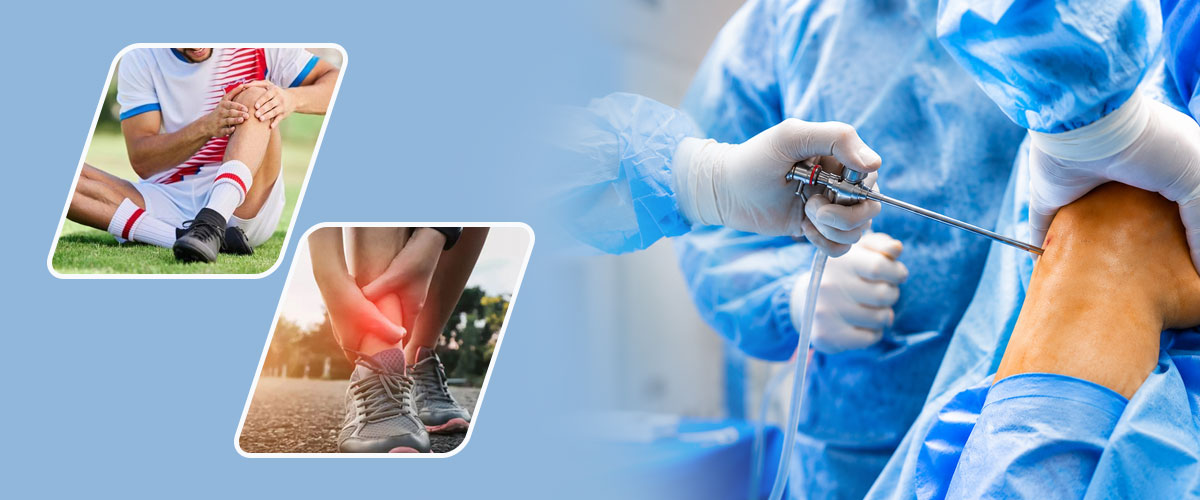
Sports injuries can affect athletes and active individuals of all ages, ranging from minor sprains to complex ligament and cartilage damage. Arthroscopy plays a central role in the modern management of sports injuries, allowing precise diagnosis and minimally invasive treatment that helps athletes return to their sport safely and as quickly as possible.
Sports injuries typically occur due to sudden impact, overuse, twisting movements, or repetitive strain on joints and soft tissues. They commonly affect the knee, shoulder, ankle, and elbow, and may involve ligaments, tendons, cartilage, or muscles. Prompt and accurate diagnosis is essential to prevent long-term joint damage and to guide the most effective treatment plan.
Arthroscopy allows surgeons to directly visualize the injured joint using a small camera inserted through a tiny incision, offering a clearer picture than imaging alone in many cases. This minimally invasive approach enables both diagnosis and treatment in a single procedure, reducing tissue trauma and supporting faster, more effective recovery compared to traditional open surgery.
Successful outcomes after sports injury treatment depend heavily on a structured, sport-specific rehabilitation program. This typically progresses through phases of pain and swelling control, restoration of range of motion, progressive strengthening, and finally sport-specific training, ensuring the athlete regains strength, stability, and confidence before returning to full activity.
Beyond treatment, addressing the underlying causes of a sports injury — such as muscle imbalance, poor technique, or inadequate conditioning — is key to preventing recurrence. A tailored strengthening and flexibility program, along with guidance on proper technique and gradual return to play, helps protect the joint and reduce the risk of future injury.
With a combination of precise arthroscopic diagnosis, minimally invasive surgical treatment, and structured rehabilitation, athletes and active individuals can achieve reliable recovery and a safe, confident return to the sports they love.