Max Mobility Clinic, Shop No 6, Gr. Floor, Neelkanth Classic, Sector 35F, Kharghar, Navi Mumbai, Maharashtra 410210.
Max Mobility Clinic, Shop No 6, Gr. Floor, Neelkanth Classic, Sector 35F, Kharghar, Navi Mumbai, Maharashtra 410210.
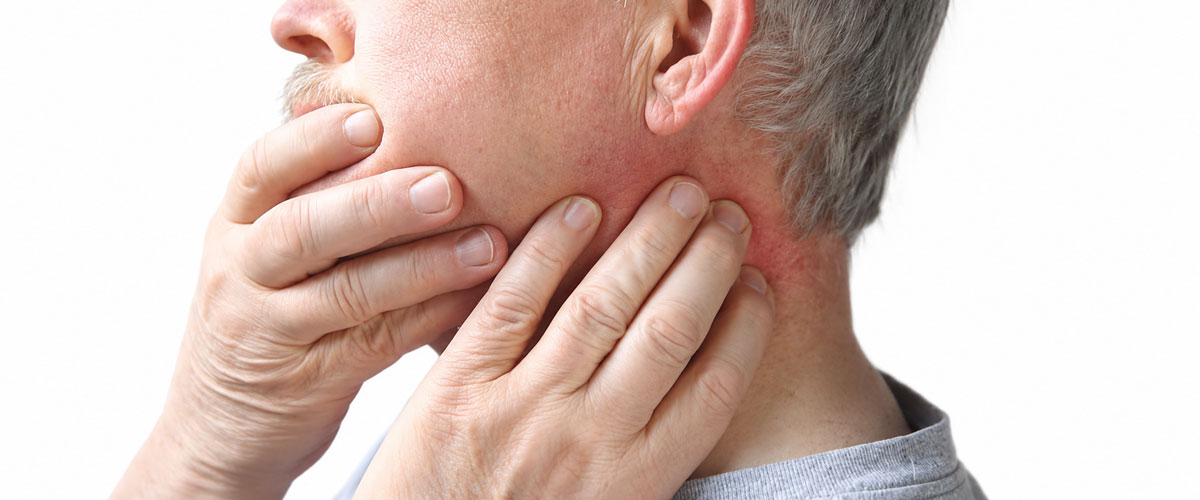
Facial paralysis affects the muscles of the face, often causing weakness or complete loss of movement on one side, which can impact expression, speech, and eating. Physiotherapy plays an important role in facial paralysis rehabilitation, helping to restore muscle function, improve symmetry, and support recovery of natural facial movement.
Facial paralysis occurs when the facial nerve, which controls the muscles of facial expression, is damaged or dysfunctional, leading to weakness or loss of movement on one or both sides of the face. The condition can range from partial weakness to complete paralysis and may be temporary or long-lasting, depending on the underlying cause and severity of nerve involvement.
Recovery from facial paralysis depends largely on the underlying cause and the extent of nerve involvement, with some patients recovering fully over weeks to months, while others may experience longer-term or residual weakness. Physiotherapy is most effective when started early and progressed gradually, with treatment closely coordinated with the treating neurologist or ENT specialist.
Through targeted facial muscle retraining and hands-on therapy, physiotherapy helps patients with facial paralysis regain movement, improve symmetry, and restore confidence in their facial expression and function.