Book Appointment

Take the first step towards a pain-free, active life with expert orthopaedic, physiotherapy, and diagnostic care.

OA (Osteoarthritis) Knee

  • Home|
  • Physiotherapy

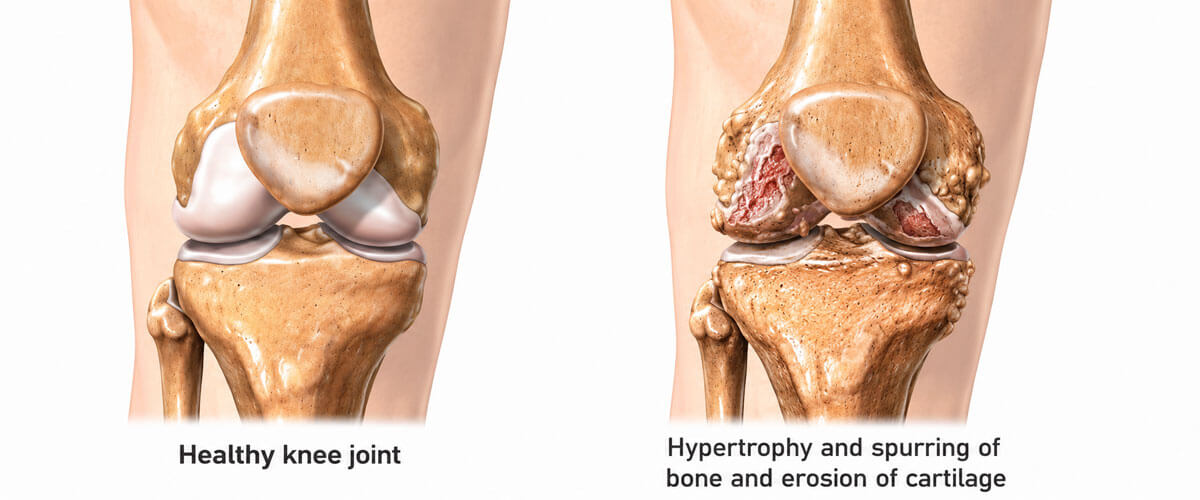
Osteoarthritis (OA) of the knee is a degenerative joint condition caused by the gradual wearing down of cartilage, leading to pain, stiffness, and reduced mobility. Physiotherapy is a key part of managing knee OA, helping to relieve pain, strengthen supporting muscles, and preserve joint function — often reducing the need for surgery or delaying it where appropriate.

What is Knee Osteoarthritis?

Knee osteoarthritis occurs when the protective cartilage cushioning the knee joint gradually breaks down over time, causing bones to rub against each other. This leads to inflammation, pain, and stiffness, and can progressively affect a person's ability to walk, climb stairs, or perform daily activities.
Common Symptoms
  • Knee pain that worsens with activity and improves with rest.
  • Stiffness, particularly in the morning or after sitting for long periods.
  • Swelling around the knee joint.
  • A grinding or crackling sensation during movement.
  • Reduced range of motion and difficulty bending or straightening the knee.
  • Weakness or instability in the knee.
Causes and Risk Factors
  • Age-related wear and tear of joint cartilage.
  • Excess body weight placing added stress on the knee joint.
  • Previous knee injuries or trauma.
  • Repetitive stress from certain occupations or activities.
  • Genetic predisposition and family history.
  • Muscle weakness around the joint.
Goals of Physiotherapy for Knee OA
  • Reduce pain and inflammation in the knee joint.
  • Improve joint flexibility and range of motion.
  • Strengthen the muscles supporting the knee, particularly the quadriceps.
  • Improve balance and walking pattern.
  • Slow the progression of joint degeneration.
  • Support weight management to reduce joint load.
Physiotherapy Techniques Used
  • Strengthening exercises – targeting the quadriceps, hamstrings, and hip muscles to support the knee.
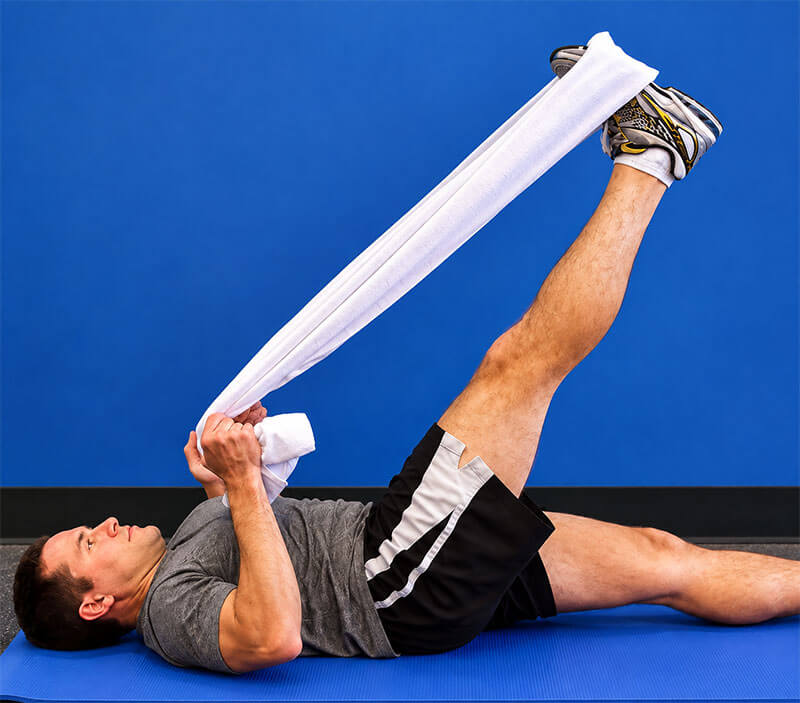
  • Range-of-motion exercises – to maintain and improve knee flexibility.
  • Manual therapy – hands-on techniques to reduce stiffness and improve joint mobility.
  • Electrotherapy – ultrasound and TENS for pain and inflammation relief.
  • Hydrotherapy – water-based exercises to reduce joint stress while building strength.
  • Gait training – to correct walking patterns and reduce abnormal joint loading.
  • Bracing and support guidance – knee braces or supports where appropriate.
When is Further Intervention Needed?

While physiotherapy is highly effective in managing mild to moderate knee OA, some patients with advanced joint damage may eventually require further intervention, such as injections or knee replacement surgery. A physiotherapist works closely with the treating orthopedic surgeon to determine the most appropriate stage-wise approach for each patient.

Through targeted exercises, pain management, and lifestyle guidance, physiotherapy helps patients with knee osteoarthritis maintain mobility, reduce discomfort, and continue an active, independent lifestyle.