Max Mobility Clinic, Shop No 6, Gr. Floor, Neelkanth Classic, Sector 35F, Kharghar, Navi Mumbai, Maharashtra 410210.
Max Mobility Clinic, Shop No 6, Gr. Floor, Neelkanth Classic, Sector 35F, Kharghar, Navi Mumbai, Maharashtra 410210.
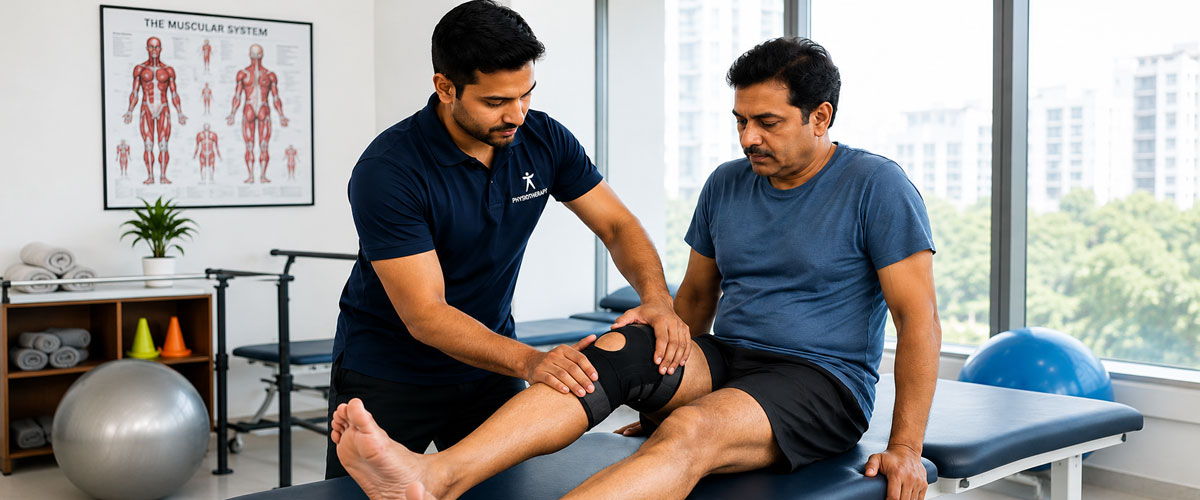
Surgery is an important step towards treating many orthopaedic conditions, but recovery does not end once the procedure is complete. Physiotherapy plays an important role in helping patients regain movement, strength, flexibility, and confidence after surgery.
A structured rehabilitation programme is tailored according to the type of surgery, the patient's condition, and their stage of recovery. With appropriate guidance, physiotherapy can support a smoother and more effective return to daily activities.
Surgery and periods of rest can temporarily reduce joint movement and flexibility. Physiotherapy uses carefully planned exercises and mobility techniques to gradually restore the normal range of motion and prevent unnecessary stiffness.
Muscles around the operated area can become weak due to reduced activity after surgery. Targeted strengthening exercises help rebuild muscle strength and improve the support provided to the affected joint or body part.
Appropriate physiotherapy techniques can help manage postoperative discomfort and swelling. Your physiotherapist may recommend specific exercises, positioning, movement strategies, and other techniques depending on your condition and stage of recovery.
After certain surgeries, patients may experience reduced balance, coordination, or stability. Rehabilitation exercises can help improve these areas and make everyday movements such as standing and walking safer and more comfortable.
Appropriate movement after surgery can help reduce problems associated with prolonged inactivity. A supervised rehabilitation programme encourages safe movement and gradually helps patients become more active as recovery progresses.
Physiotherapy focuses not only on exercises but also on helping patients return to practical activities. Depending on the surgery, rehabilitation may include training for walking, climbing stairs, sitting, standing, and other routine movements.
Returning to work, sports, or exercise too quickly can place excessive stress on the recovering body. Physiotherapy provides a gradual progression of activity based on recovery and helps patients understand how to increase their physical activity safely.
Surgery addresses the underlying problem, while rehabilitation helps restore movement and function. Following a personalised physiotherapy programme can help you make steady progress towards a more active and independent lifestyle.
The appropriate time to begin physiotherapy depends on the type of surgery, the patient's overall condition, and the surgeon's recommendations. Some rehabilitation exercises may begin soon after surgery, while other activities are introduced gradually as healing progresses.
It is important to follow the rehabilitation plan provided by your orthopaedic surgeon and physiotherapist. Avoid performing exercises on your own if you have not been advised that they are appropriate for your stage of recovery.
Consistency is one of the most important parts of rehabilitation. Attend scheduled physiotherapy sessions, follow your prescribed home exercise programme, and communicate with your healthcare team about pain, swelling, or difficulty performing an exercise.
With the right combination of surgical care, physiotherapy, and gradual activity, many patients can make meaningful progress towards restoring their strength, mobility, and everyday function.