Max Mobility Clinic, Shop No 6, Gr. Floor, Neelkanth Classic, Sector 35F, Kharghar, Navi Mumbai, Maharashtra 410210.
Max Mobility Clinic, Shop No 6, Gr. Floor, Neelkanth Classic, Sector 35F, Kharghar, Navi Mumbai, Maharashtra 410210.
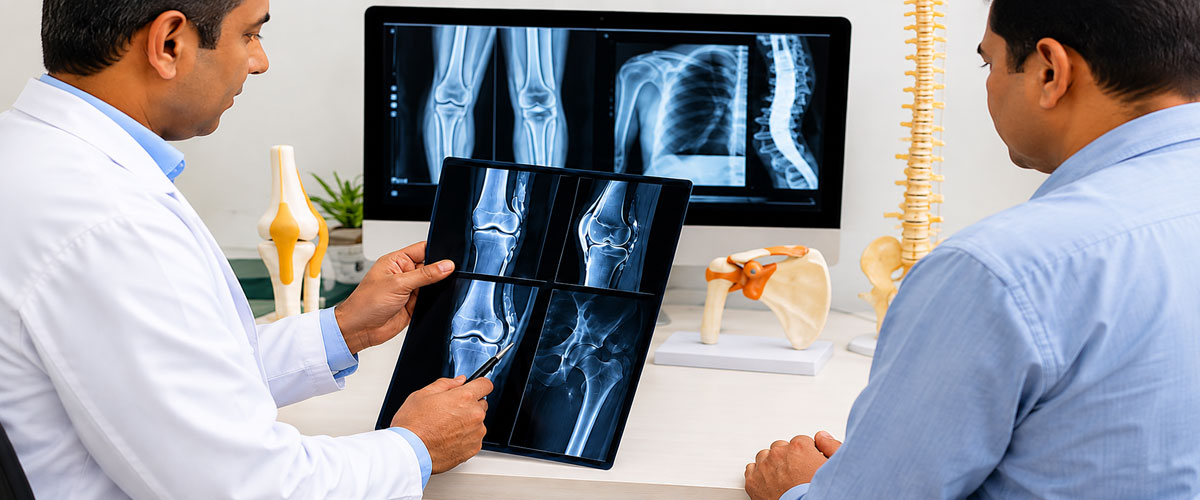
Joint, bone, muscle, and ligament problems can affect your movement, comfort, and ability to carry out everyday activities. While minor aches may improve with rest and simple care, persistent or worsening symptoms may require professional evaluation.
Knowing when to consult an orthopaedic surgeon can help identify problems early and prevent them from affecting your mobility and quality of life. Here are some common situations when an orthopaedic consultation may be beneficial.
Pain that continues for several days or keeps returning should not be ignored. Persistent pain in the knees, hips, shoulders, back, or other joints may be related to arthritis, an injury, cartilage problems, or other musculoskeletal conditions that need proper assessment.
If you notice difficulty bending, walking, climbing stairs, lifting your arm, or performing routine movements, it may indicate an underlying orthopaedic problem. Early evaluation can help determine the cause and appropriate treatment.
Persistent swelling, stiffness, or a feeling that a joint is giving way can affect your stability and movement. These symptoms may occur after an injury or due to conditions affecting the joints, ligaments, or surrounding tissues.
Injuries such as fractures, ligament tears, dislocations, and cartilage damage may require specialist care. If pain, swelling, bruising, or restricted movement continues after an injury, an orthopaedic assessment can help determine the extent of the problem.
When pain begins to interfere with walking, working, exercising, sleeping, or other everyday activities, it is important to seek medical advice. Ongoing discomfort should not simply be accepted as a normal part of ageing.
Occasional back or neck discomfort may improve with rest and appropriate exercises. However, recurring or persistent pain, especially when associated with weakness, numbness, or difficulty moving, should be evaluated by a qualified specialist.
Some orthopaedic conditions can be managed with physiotherapy, medication, activity modification, or other non-surgical treatments. If symptoms continue despite appropriate conservative care, an orthopaedic surgeon can assess whether further treatment options may be required.
Persistent pain, swelling, stiffness, instability, or difficulty with movement deserves proper attention. Timely evaluation can help identify the underlying problem and support appropriate treatment.
Some injuries require prompt medical attention. Seek urgent care after a serious injury if you experience severe pain, visible deformity, inability to bear weight, significant swelling, or sudden loss of movement.
Getting an orthopaedic problem assessed at the right time can help establish an accurate diagnosis and identify suitable treatment options. Depending on the condition, treatment may include lifestyle changes, medication, physiotherapy, injections, or surgery.
If joint, bone, muscle, or ligament symptoms are persistent or affecting your everyday life, consider consulting an orthopaedic surgeon for a thorough evaluation and personalised treatment plan.